මූලාශ්ර 3ක් යාවත්කාලීන විය
Supermoon to light up Sri Lankan skies on Tuesday, November 24
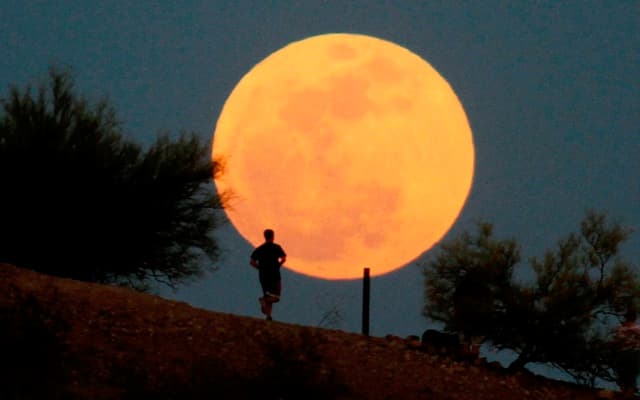
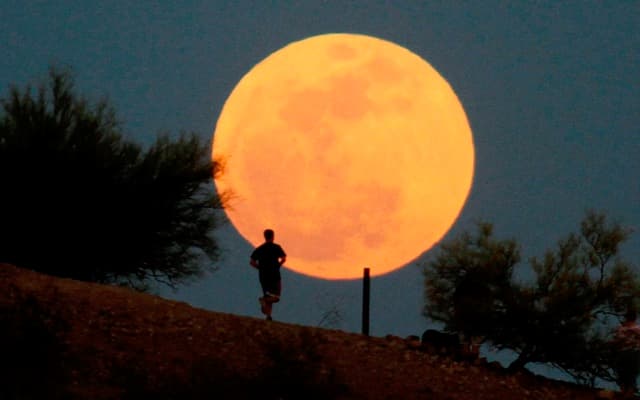
Astronomer Gihan Weerasekara said the Moon would appear larger and brighter than usual in a supermoon visible across Sri Lanka on Tuesday, November 24. The Moon was expected to be about 360,000 kilometres from Earth, roughly 25,000 kilometres closer than average, appearing approximately 6.5% larger and 14% brighter than a typical full moon. Viewing depends on favourable weather, and cloud cover may spoil one night.
AIමෙහි සිරස්තලය සහ සාරාංශය පුවත් ආයතනවල වාර්තා උපයෝගී කරගෙන AI මගින් ලියා ඒවාට සාපේක්ෂව පරීක්ෂා කරන ලද ඒවාය. AI වැරදි කළ හැකි බැවින් සම්පූර්ණ තොරතුරු සඳහා සබැඳි වාර්තා කියවන්න.
සම්පූර්ණ පුවත
සෑම අංකයකින්ම එම වාක්යය ගත් වාර්තාව විවෘත වේ.
- Skywatchers in Sri Lanka will see a supermoon tonight, astronomer Gihan Weerasekara said, with the Moon bigger and brighter than usual.2
- Asian Mirror reports the phenomenon was expected on the night of November 24, when the Moon would move to within approximately 360,000 kilometres of Earth.3
- Weerasekara explained that the Moon orbits at an average distance of approximately 384,000 kilometres, and its elliptical orbit makes the distance vary through the month.3
- That brings it around 25,000 kilometres closer than average, making it appear approximately 6.5% larger in diameter and 14% brighter than a typical full moon.3
- NewsWire English gives the peak as around 8:24 p.m.1
- Sri Lanka time on Tuesday, November 24, a convenient hour for evening viewing.1
- The Moon will look full on Monday night, again on Tuesday night and into early Wednesday morning, NewsWire English reports.1
- Weerasekara said the phenomenon would be visible across Sri Lanka provided weather remained favourable and the night sky clear.3
- NewsWire English notes the northeast monsoon brings changeable weather, so cloud cover may spoil one night.1
- Asian Mirror says the November full moon is traditionally known in several Western countries as the Beaver Moon.3
- NewsWire English says the Beaver name comes from Indigenous lunar calendars, and each such name refers to an entire 29-day lunation.1
1 NewsWire English · 2 Daily Mirror · 3 Asian Mirror