3 ஊடகங்கள் புதுப்பிக்கப்பட்டது
Supermoon to light up Sri Lankan skies on Tuesday, November 24
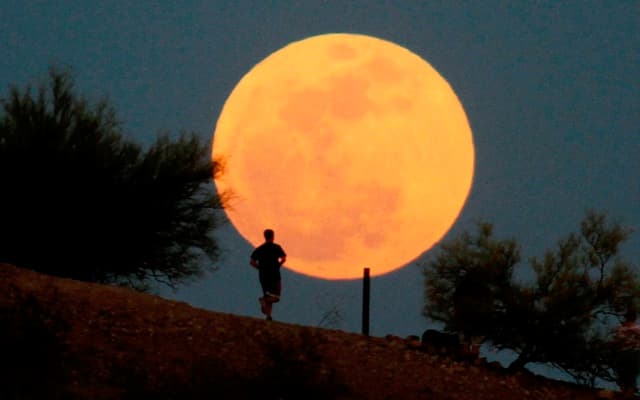
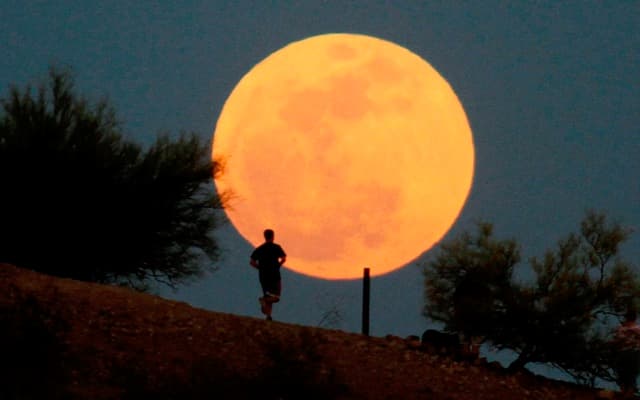
Astronomer Gihan Weerasekara said the Moon would appear larger and brighter than usual in a supermoon visible across Sri Lanka on Tuesday, November 24. The Moon was expected to be about 360,000 kilometres from Earth, roughly 25,000 kilometres closer than average, appearing approximately 6.5% larger and 14% brighter than a typical full moon. Viewing depends on favourable weather, and cloud cover may spoil one night.
AIஇங்குள்ள தலைப்பும் சுருக்கமும் செய்தி நிறுவனங்களின் அறிக்கைகளிலிருந்து AI மூலம் எழுதப்பட்டு அவற்றுடன் ஒப்பிட்டுச் சரிபார்க்கப்பட்டவை. AI தவறு செய்யலாம்; முழு விவரத்துக்கு இணைக்கப்பட்ட அறிக்கைகளைப் படியுங்கள்.
முழுப் படம்
ஒவ்வொரு எண்ணும் அந்த வாக்கியம் எடுக்கப்பட்ட அறிக்கையைத் திறக்கும்.
- Skywatchers in Sri Lanka will see a supermoon tonight, astronomer Gihan Weerasekara said, with the Moon bigger and brighter than usual.2
- Asian Mirror reports the phenomenon was expected on the night of November 24, when the Moon would move to within approximately 360,000 kilometres of Earth.3
- Weerasekara explained that the Moon orbits at an average distance of approximately 384,000 kilometres, and its elliptical orbit makes the distance vary through the month.3
- That brings it around 25,000 kilometres closer than average, making it appear approximately 6.5% larger in diameter and 14% brighter than a typical full moon.3
- NewsWire English gives the peak as around 8:24 p.m.1
- Sri Lanka time on Tuesday, November 24, a convenient hour for evening viewing.1
- The Moon will look full on Monday night, again on Tuesday night and into early Wednesday morning, NewsWire English reports.1
- Weerasekara said the phenomenon would be visible across Sri Lanka provided weather remained favourable and the night sky clear.3
- NewsWire English notes the northeast monsoon brings changeable weather, so cloud cover may spoil one night.1
- Asian Mirror says the November full moon is traditionally known in several Western countries as the Beaver Moon.3
- NewsWire English says the Beaver name comes from Indigenous lunar calendars, and each such name refers to an entire 29-day lunation.1
1 NewsWire English · 2 Daily Mirror · 3 Asian Mirror